
Web Design & Development · sub-service
Headless / Jamstack
Astro or Next.js front end plus a headless CMS, for the fastest possible ceiling.
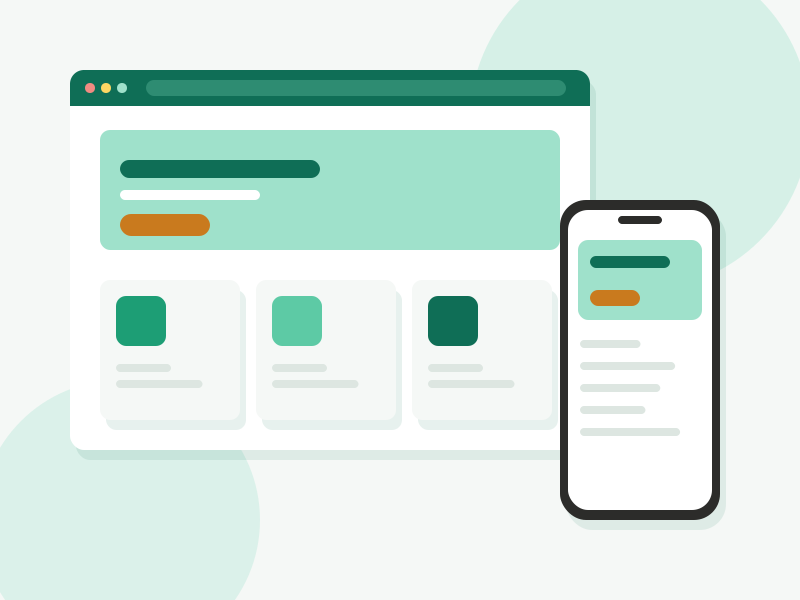
A headless website separates the part editors work in from the part visitors see. Content lives in a headless CMS, such as Sanity or a similar platform, and a separate front end, built with a framework like Astro or Next.js, pulls that content in and turns it into pages. Jamstack is a related term for sites that are pre-built into static files and served from a content delivery network, with JavaScript and APIs added only where they are needed.
The main reason to go headless is performance and control. Pages can be generated ahead of time as plain HTML, so they load quickly even on slower mobile connections, and the front end ships only the JavaScript a page genuinely needs. Developers have full control over the markup, which makes it easier to hit Core Web Vitals targets, produce clean semantic HTML, and implement structured data exactly as intended. Editors, meanwhile, get a modern writing interface designed around structured content rather than page layouts.
Headless is not the right answer for every project, and we are careful about recommending it. It suits content-heavy marketing sites, publishers, product-led companies with frequent launches, and businesses that want to publish the same content to several places, such as a website, a mobile app, and in-store screens. It is also a good fit when a site needs to perform well for visitors across the GCC, not just on fast fibre connections in Dubai. It is usually overkill for a small business site that changes a few times a year, where a well-built WordPress or Filament site is simpler and cheaper to run.
Our process starts with a content model. Before any design work, we define the types of content the site needs, such as pages, services, articles, authors, locations, and FAQs, and the fields each one has. This model drives both the CMS setup and the front end, and getting it right early saves rebuilding later. We also plan how preview will work, so editors can see a draft page before it goes live, which is one of the areas where headless setups often disappoint if it is not considered.
Then we design and build the front end. With Astro, pages ship as static HTML with no JavaScript by default, and interactive parts such as forms, filters, or calculators are added as isolated components. With Next.js, we can mix static pages with server-rendered ones where content needs to update in real time. We set a performance budget for each page type, such as a limit on JavaScript and image weight, and check it on every deploy.
SEO needs deliberate handling on headless sites, because many features WordPress plugins provide by default have to be built. We implement editable titles and meta descriptions, canonical tags, XML sitemaps generated from the CMS, redirects managed by editors, Open Graph images, schema markup, and hreflang for multilingual sites. We check that every important piece of content is in the HTML sent to the browser, which matters for search engines and AI crawlers alike.
What you receive is a front-end codebase in your own repository, a configured CMS with roles and editing workflows, automated deploys that rebuild the site when content is published, documentation for developers and editors, and a training session for your content team. Hosting is set up in your accounts so you are not dependent on us to keep the site running.
The pitfalls with headless projects are well known. Underestimating the SEO features that need building. Choosing a CMS based on a demo rather than your editors' actual workflow. Adding so many client-side scripts that the performance benefit disappears. Relying on a front end that renders content only in the browser. And building a system that only the original developer understands.
Timelines are longer than a standard website because there are two systems to set up and connect. Content modelling and design take the first stretch, followed by the build and integration, then content entry and testing. The exact duration depends on the number of templates and integrations, and we set it out in the proposal.
Headless builds are usually scoped under our Custom Website or Enterprise Platform plans, with the scope agreed in writing before work starts.
More from Web Design & Development
-
Corporate Websites
Multi-page brand sites built on a CMS your team can actually run.
Read -
Landing Pages
Single-purpose pages for paid campaigns, launches, and lead magnets.
Read -
WordPress Development
Custom lightweight themes, no bloat, for teams who want a familiar editor.
Read -
CMS Integrations & Migrations
Moving platforms without losing rankings, content, or your sanity.
Read -
WooCommerce Development
A full online store on the WordPress stack your team already knows.
Read -
Website Maintenance & Care Plans
Ongoing updates, backups, and small fixes, so the site never goes stale.
Read -
Website Redesign
A faster, better-looking site that keeps the rankings the old one earned.
Read
How we deliver
How we deliver Headless / Jamstack.
Your strategist scopes the work, the delivery lead ships it, and you see progress in the same monthly report as the rest of your account.
Guides on this topic
All insights-
Comparison
SEO agency vs freelancer vs an in-house hire in the UAE
A freelancer suits one well-defined task, an in-house hire suits a business where SEO is a full-time priority, and an SEO agency...
-
Comparison
Shopify vs WooCommerce for UAE businesses
Choose Shopify if you want a fully hosted store with less technical maintenance, and choose WooCommerce if you want full ownership of...
-
Comparison
WordPress vs custom website: how to choose
Choose WordPress for a content-managed site you can launch quickly and affordably, and choose a custom build, such as one on Laravel,...
Ready when you are
Your customers are searching in the UAE. Make sure they find you first.
A free audit of your technical setup, content, and backlinks, reviewed by a real person within 2 business days. No card, no obligation. Just a straight answer on what's working and what isn't.